Heart disease remains a leading health concern, but the right dietary choices can significantly lower risk factors like high cholesterol, blood pressure, inflammation, and oxidative stress. In 2026, best foods for heart health emphasize a plant-forward pattern rich in fiber, omega-3s, antioxidants, and healthy fats—aligning with updated Dietary Guidelines, American Heart Association (AHA) recommendations, Mediterranean and DASH diets, which continue to rank as top heart-healthy eating styles.
These foods work by improving cholesterol levels (raising HDL, lowering LDL), supporting healthy blood vessels, reducing inflammation, and promoting steady blood pressure. Most are affordable, versatile, and delicious, making it easy to build heart-smart meals without feeling restricted.
This in-depth, SEO-optimized guide highlights the top heart-healthy foods backed by 2026 science and expert consensus, why they benefit your heart, a comparison table, easy incorporation tips, and practical advice.
How These Foods Support Heart Health
- Fiber (especially soluble): Binds cholesterol in the digestive system and helps remove it from the body.
- Omega-3 Fatty Acids: Reduce triglycerides, prevent arrhythmias, and lower inflammation.
- Antioxidants & Polyphenols: Fight oxidative stress and improve endothelial function (blood vessel health).
- Potassium & Magnesium: Help regulate blood pressure.
- Healthy Unsaturated Fats: Replace saturated fats to improve lipid profiles.
- Plant Proteins: Often lower in saturated fat and higher in protective compounds than many animal sources.
Aim for a dietary pattern with plenty of fruits, vegetables, whole grains, legumes, nuts, seeds, and fatty fish while limiting ultra-processed foods, added sugars, and excess saturated fats.
Top Foods for Heart Health in 2026
1. Fatty Fish (Salmon, Mackerel, Sardines, Trout)
Rich in EPA and DHA omega-3s, these fish are among the strongest evidence-based protectors against heart disease. Aim for at least two servings per week.
Benefits: Lower triglycerides, reduce risk of sudden cardiac death, improve artery function.
How to Enjoy: Grilled salmon, canned sardines on salads, or baked trout.
2. Berries (Blueberries, Strawberries, Raspberries, Blackberries)
Packed with anthocyanins, fiber, and polyphenols that support vascular health.
Benefits: Improve blood pressure, reduce LDL oxidation, and enhance endothelial function.
How to Enjoy: Fresh or frozen in smoothies, oatmeal, or Greek yogurt.
3. Leafy Greens & Cruciferous Vegetables (Spinach, Kale, Broccoli, Brussels Sprouts)
Loaded with nitrates, fiber, vitamins, and antioxidants.
Benefits: Help lower blood pressure, reduce arterial stiffness, and provide volume with few calories.
How to Enjoy: Salads, sautés, roasted Brussels sprouts, or blended into smoothies.
4. Nuts & Seeds (Walnuts, Almonds, Flaxseeds, Chia Seeds, Pumpkin Seeds)
Provide healthy fats, fiber, magnesium, and plant omega-3s (especially walnuts and flax).
Benefits: Lower LDL cholesterol, improve blood vessel function, and reduce inflammation. A handful daily is ideal.
How to Enjoy: As snacks, sprinkled on yogurt or salads, or ground flax in oatmeal.
5. Oats & Whole Grains (Oatmeal, Barley, Quinoa, Brown Rice)
High in beta-glucan soluble fiber and other nutrients.
Benefits: Actively lower “bad” LDL cholesterol and support stable blood sugar.
How to Enjoy: Overnight oats, barley in soups, or quinoa bowls.
6. Legumes (Beans, Lentils, Chickpeas, Peas)
Excellent plant protein and fiber sources with minimal saturated fat.
Benefits: Reduce cholesterol, improve gut health (linked to heart benefits), and promote satiety.
How to Enjoy: In soups, salads, tacos, or hummus.
7. Olive Oil & Avocados
Primary sources of monounsaturated fats and polyphenols.
Benefits: Improve cholesterol ratios, reduce inflammation, and support Mediterranean diet benefits.
How to Enjoy: Olive oil for cooking/dressings; avocado on toast or in salads.
8. Other Standouts
- Tomatoes & Garlic: Lycopene and allicin for blood pressure and antioxidant support.
- Dark Chocolate (70%+ cocoa, in moderation): Flavonoids for vascular health.
- Beets: Nitrates that naturally lower blood pressure.
Comparison Table: Best Foods for Heart Health 2026
| Food Category | Examples | Key Heart Benefits | Serving Suggestion | Approx. Frequency |
|---|---|---|---|---|
| Fatty Fish | Salmon, mackerel, sardines | Omega-3s: lower triglycerides & inflammation | 3–4 oz, 2x/week | 2+ servings/week |
| Berries | Blueberries, strawberries | Antioxidants & fiber: better blood pressure | 1 cup | Daily |
| Leafy Greens & Veggies | Spinach, kale, broccoli | Nitrates & fiber: lower BP & cholesterol | 2+ cups | Most meals |
| Nuts & Seeds | Walnuts, almonds, flaxseeds | Healthy fats & magnesium: improved lipids | 1 oz (handful) | Daily |
| Whole Grains | Oats, barley, quinoa | Soluble fiber: reduces LDL cholesterol | ½–1 cup cooked | Most days |
| Legumes | Lentils, beans, chickpeas | Plant protein & fiber: cholesterol control | ½–1 cup | Several times/week |
| Olive Oil & Avocados | Extra-virgin olive oil, avocado | Monounsaturated fats: better cholesterol profile | 1–2 tbsp oil or ¼ avocado | Daily (in moderation) |
Benefits supported by AHA, Mayo Clinic, and 2026 dietary guidance. Combine for maximum effect.
Easy Ways to Incorporate Heart-Healthy Foods
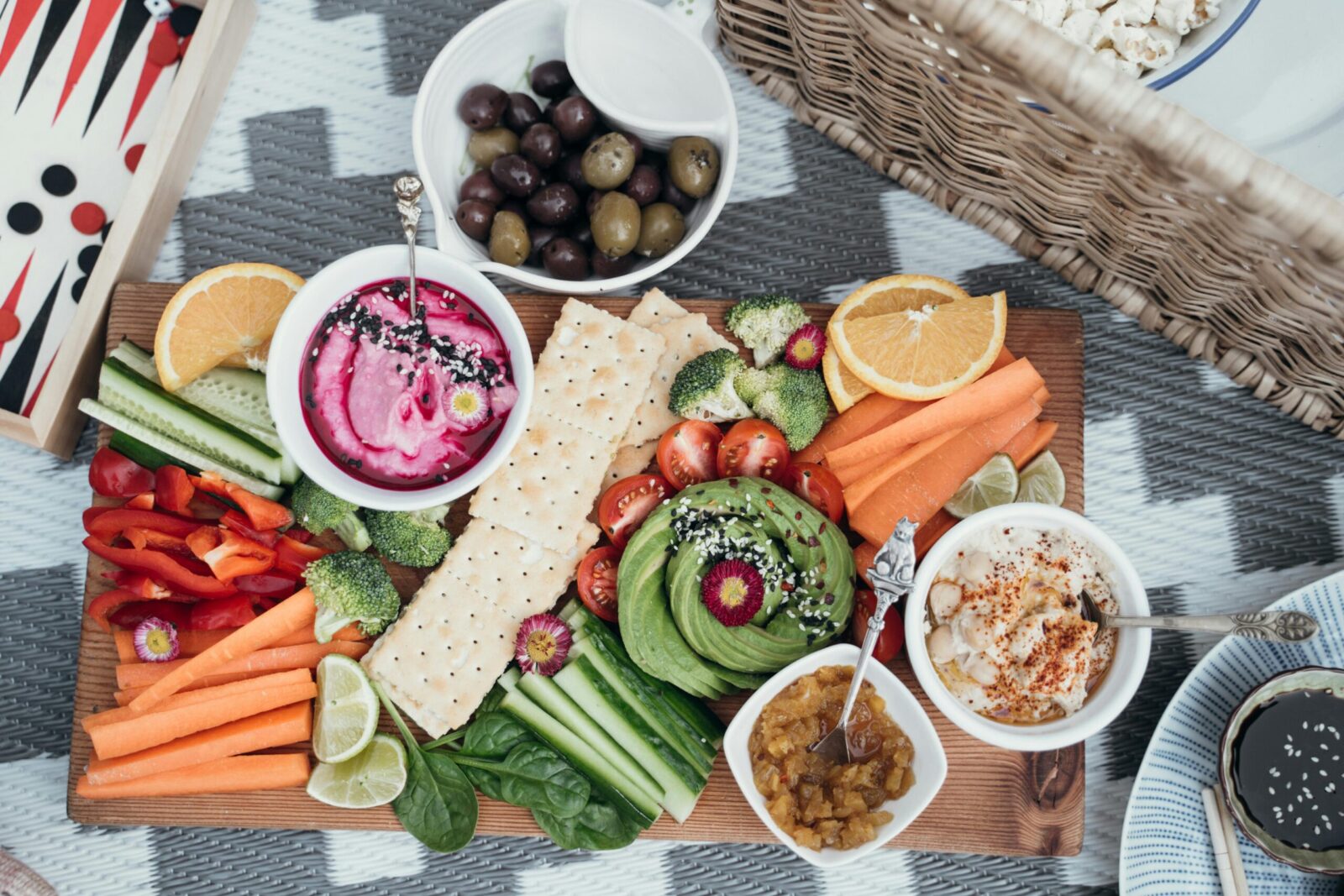
- Breakfast: Oatmeal topped with berries, walnuts, and flaxseeds.
- Lunch: Quinoa salad with chickpeas, spinach, avocado, and olive oil dressing.
- Dinner: Grilled salmon or lentils with roasted broccoli and a side of brown rice.
- Snacks: A handful of almonds, Greek yogurt with berries, or carrot sticks with hummus.
- Cooking Swap: Use olive oil instead of butter; add garlic and herbs for flavor.
- Meal Prep: Batch-cook legumes and grains; keep frozen berries and fish on hand.
- 2026 Twist: Focus on polyphenol-rich combos like berries + tea/coffee or nuts + olive oil.
Tips for a Heart-Protective Diet in 2026
- Follow Proven Patterns: Mediterranean or DASH diets consistently rank highest for cardiovascular health.
- Limit the “Don’ts”: Reduce ultra-processed foods, added sugars (<10% of calories), saturated fats, and sodium (<2,300 mg/day).
- Portion & Balance: Fill half your plate with vegetables/fruits, a quarter with whole grains, and a quarter with healthy protein.
- Gradual Changes: Add one or two new foods weekly to build sustainable habits.
- Pair with Lifestyle: Combine with regular physical activity, stress management, quality sleep, and not smoking for best results.
- Consult Professionals: If you have existing heart conditions or take medications, work with a doctor or registered dietitian.
Frequently Asked Questions (FAQs)
What is the single best food for heart health?
No one food is “best”—variety matters most. Fatty fish and berries often top lists due to strong evidence for omega-3s and antioxidants.
How quickly can diet improve heart health markers?
Many see improvements in blood pressure and cholesterol within weeks; long-term risk reduction builds over months to years of consistent habits.
Can I eat red meat on a heart-healthy diet?
Limit unprocessed red meat and avoid processed meats. Prioritize plant proteins, seafood, and poultry most days.
Are eggs okay for heart health?
Yes, in moderation for most people. They provide quality protein; focus on overall dietary pattern rather than single foods.
Do supplements replace these foods?
Whole foods are superior due to synergistic nutrients. Omega-3 supplements may help if you don’t eat fish, but consult your doctor.
Conclusion: Build a Stronger Heart with Every Bite in 2026
Incorporating the best foods for heart health—from omega-3-rich salmon and antioxidant-packed berries to fiber-loaded oats and legumes—creates a delicious, evidence-based foundation for lifelong cardiovascular wellness. Small, consistent choices aligned with Mediterranean or DASH principles deliver powerful protection.
Start today by adding a handful of nuts, a serving of berries, or swapping in olive oil. Your heart will thank you for years to come. Which heart-healthy food will you add to your routine first? Share your favorite recipes or tips in the comments!
This guide is based on 2026 dietary guidelines, American Heart Association recommendations, Mayo Clinic insights, and expert consensus. Individual needs vary—consult a healthcare provider for personalized advice, especially if managing specific conditions.