In 2026, high-fiber foods have emerged as one of the hottest nutrition trends—”fibermaxxing” is everywhere, with consumers prioritizing gut health, steady energy, and natural satiety. Most Americans still fall short, averaging just 10–16 grams of fiber daily, far below the recommended 25–38 grams depending on age and gender (roughly 14g per 1,000 calories consumed).
Dietary fiber plays a starring role in better digestion: it adds bulk to stool, promotes regular bowel movements, feeds beneficial gut bacteria (as prebiotics), helps prevent constipation, and supports a healthy microbiome. Beyond digestion, high-fiber diets are linked to improved blood sugar control, lower cholesterol, reduced heart disease risk, better weight management, and even lower inflammation.
This in-depth, SEO-optimized guide covers the best high-fiber foods for digestion, the difference between soluble and insoluble fiber, a comparison table, easy ways to add more fiber, and practical tips for 2026.
Soluble vs. Insoluble Fiber: Why Both Matter for Digestion
- Soluble Fiber: Dissolves in water to form a gel-like substance. It slows digestion, helps regulate blood sugar and cholesterol, and feeds good gut bacteria. Sources include oats, beans, apples, citrus, avocados, chia seeds, and psyllium husk.
- Insoluble Fiber: Does not dissolve; it adds bulk and speeds up transit time through the intestines, preventing constipation. Sources include wheat bran, whole grains, vegetable skins, broccoli, cauliflower, and nuts.
Most plant foods contain a mix of both. Prebiotic fibers (like inulin in garlic, onions, and chicory root) specifically nourish your microbiome for optimal gut health.
Recommended Daily Intake (2026 Guidelines):
- Women 19–50: ~25–28g
- Men 19–50: ~34–38g
- Women 51+: ~21–22g
- Men 51+: ~28–30g
Increase gradually and drink plenty of water (fiber absorbs liquid) to avoid bloating or gas.
Top High-Fiber Foods for Better Digestion in 2026
1. Legumes (Beans, Lentils, Chickpeas, Split Peas)
These are digestion powerhouses—affordable, versatile, and packed with both fiber types plus plant protein.
Standouts:
- Split peas (boiled, 1 cup): ~16g fiber
- Lentils (boiled, 1 cup): ~15.5g
- Black beans or chickpeas (1 cup): ~13–15g
Benefits: Promote regularity, feed gut bacteria, and keep you full for hours. Add to soups, salads, tacos, or roast chickpeas for crunchy snacks. Trending in 2026: fiber-packed grain bowls with roasted chickpeas and edamame.
2. Fruits (Especially with Skin)
Fruits provide soluble fiber, natural sweetness, and hydration.
Top Picks:
- Raspberries or blackberries (1 cup): ~8g
- Avocado (1 medium): ~10g
- Pear (1 medium, with skin): ~5.5–6g
- Apple (1 medium, with skin): ~4.5g
- Prunes (½ cup): ~6g (natural laxative effect)
- Kiwi (2 fruits): Significant boost for constipation relief thanks to fiber + actinidin enzyme
- Passion fruit, peaches, plums: High fiber + antioxidants
Why for Digestion: Softens stool, adds bulk, and supports microbiome diversity.
3. Vegetables (Cruciferous and Starchy)
Load up on volume with low calories.
Standouts:
- Artichoke (1 medium): ~7g
- Broccoli (1 cup boiled): ~5g
- Brussels sprouts (1 cup): ~4–6g
- Sweet potato (1 large, with skin): ~6g
- Carrots, green peas, spinach/kale
Benefits: Insoluble fiber for movement + prebiotics in garlic, onions, leeks, and asparagus.
4. Whole Grains and Seeds
Swap refined grains for these.
Top Picks:
- Barley (½ cup uncooked): Up to 17g
- Oats/oat bran (½ cup): High in beta-glucan for gut and cholesterol benefits
- Chia seeds (1 oz): ~10g
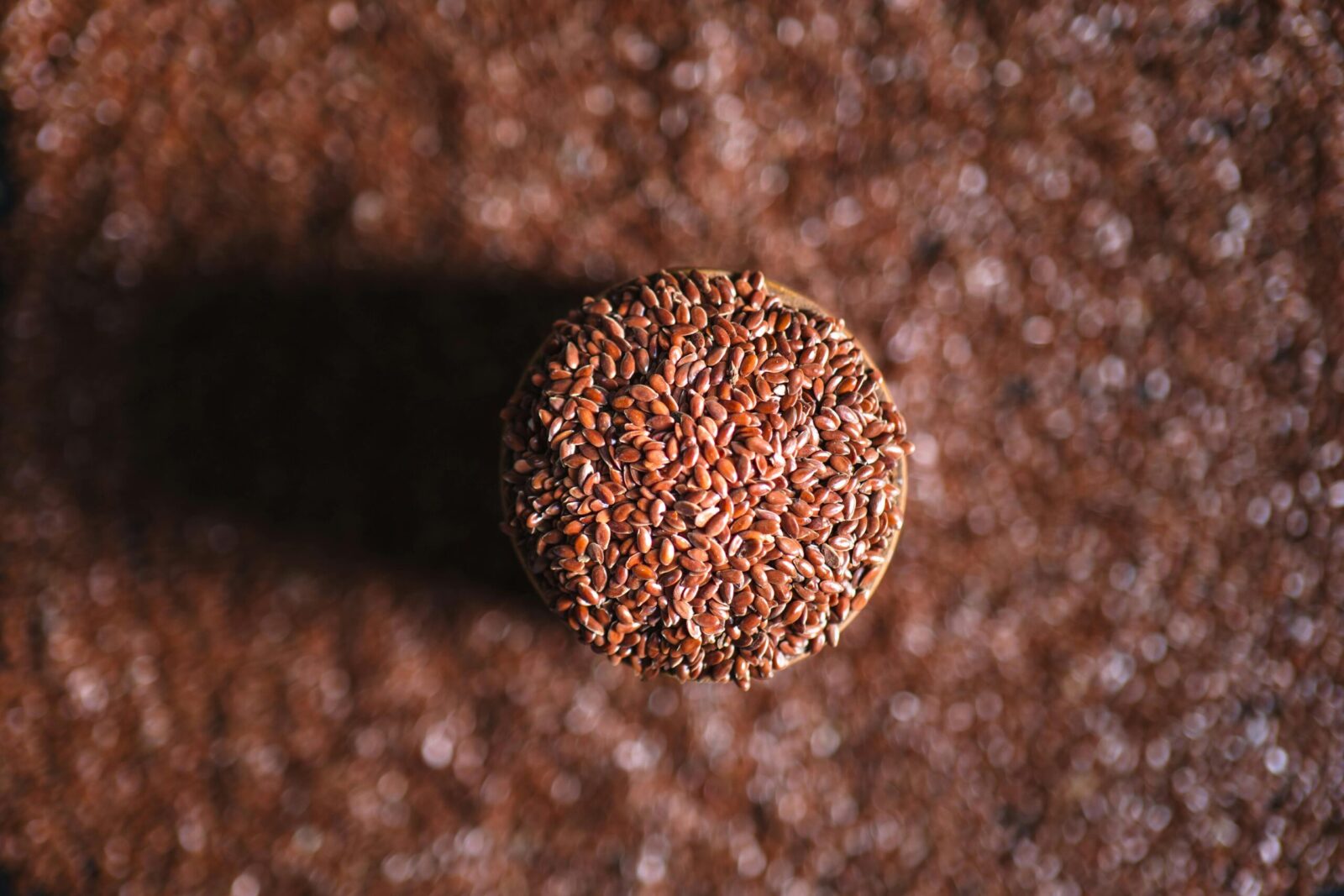
- Flaxseeds (ground, 1 oz): ~8g
- Quinoa, brown rice, farro, wheat bran, popcorn
2026 Trend: Ancient grains like teff, freekeh, and fiber granolas with psyllium and oat bran.
5. Nuts and Other notables
- Almonds or pistachios (1 oz): ~3–3.5g
- Dark chocolate (70%+ cocoa, in moderation)
Comparison Table: High-Fiber Foods for Digestion 2026
| Food Item | Serving Size | Fiber (grams) | Fiber Type Highlights | Best For Digestion Benefit | Easy Ways to Enjoy |
|---|---|---|---|---|---|
| Split Peas | 1 cup boiled | 16 | Both | Bulk + regularity | Soups, dal, salads |
| Lentils | 1 cup boiled | 15.5 | Both | Satiety + microbiome food | Curries, tacos, salads |
| Chickpeas | 1 cup boiled | 13–15 | Both | Prebiotic boost | Hummus, roasted snacks, bowls |
| Chia Seeds | 1 oz (28g) | 10 | Mostly soluble | Gel-forming for smooth transit | Pudding, smoothies, yogurt |
| Avocado | 1 medium | ~10 | Soluble | Gentle on gut + healthy fats | Toast, salads, guacamole |
| Raspberries | 1 cup | ~8 | Both | Antioxidant + fiber combo | Fresh, in oatmeal, smoothies |
| Barley | ½ cup uncooked | ~17 | Soluble (beta-glucan) | Cholesterol + gut health | Soups, pilafs, grain bowls |
| Sweet Potato | 1 large with skin | ~6 | Both | Steady energy + regularity | Baked, mashed, fries |
| Broccoli | 1 cup boiled | 5 | Insoluble | Bulk + movement | Stir-fries, roasted, sides |
| Kiwi | 2 fruits | High | Both + enzyme | Constipation relief | Fresh, in fruit salad |
| Prunes | ½ cup | ~6 | Soluble | Natural laxative | Snacks, smoothies, baked goods |
Values approximate based on USDA and Mayo Clinic data; actual may vary slightly.
Easy Ways to Boost Fiber Intake for Better Digestion
- Start Your Day Strong: Overnight oats with chia seeds, flax, and berries (10–15g fiber easily).
- Swap Smart: Whole-grain bread/pasta instead of white; brown rice or quinoa for white rice.
- Add to Everything: Sprinkle seeds on yogurt/salads; add beans to soups/stews; keep skin on fruits/veggies.
- Snack Better: Apple with almond butter, carrot sticks with hummus, or a handful of popcorn.
- Meal Prep Ideas: Fiber-rich bowls (quinoa + chickpeas + broccoli + avocado), lentil soups, or roasted veggie trays.
- 2026 Twists: Try fiber-enhanced granolas, psyllium in smoothies, or trendy chickpea/barley salads.
Pro Tip: Increase fiber gradually (add 5g per week) and drink 8–10 glasses of water daily. Pair with fermented foods (yogurt, kefir) for extra gut support.
Tips for Success in 2026
- Read Labels: Aim for foods with at least 3–5g fiber per serving.
- Diversify: Mix soluble and insoluble sources for comprehensive benefits.
- For Sensitive Stomachs: Cook veggies, choose peeled options initially, or start with smaller amounts.
- Combine with Protein: Fiber + protein = longer satiety (e.g., Greek yogurt with raspberries and chia).
- Monitor Your Body: If issues persist, consult a doctor or dietitian—excess fiber without enough water can cause discomfort.
Frequently Asked Questions (FAQs)
How long does it take for more fiber to improve digestion?
Many notice better regularity within a few days to a week, but full gut benefits build over weeks with consistent intake.
Can I get too much fiber?
Yes—over 50–60g without gradual increase or enough fluids may cause bloating, gas, or cramps. Stick to food sources over supplements when possible.
Are supplements necessary?
Whole foods are best, but psyllium or inulin supplements can help bridge gaps if needed.
Best high-fiber foods for constipation?
Kiwi (2 per day), prunes, chia/flax in water, oats, and plenty of insoluble fiber veggies.
Do high-fiber foods help with weight loss?
Yes—they increase fullness, stabilize blood sugar, and reduce overall calorie intake naturally.
Conclusion: Make High-Fiber Foods Your 2026 Digestion Ally
Incorporating high-fiber foods for better digestion is one of the simplest, most effective changes you can make for long-term gut health, energy, and wellness. From lentils and raspberries to oats and kiwi, these everyday foods deliver powerful results without complicated diets.
Start small today—add beans to dinner, berries to breakfast, or seeds to snacks—and aim to close the fiber gap. Your digestive system (and overall health) will thank you. Which high-fiber food will you try first? Share your favorite digestion-friendly meals in the comments!
This guide is based on established nutritional science and 2026 trends from sources like Mayo Clinic, USDA guidelines, and expert recommendations. Individual needs vary—consult a healthcare professional for personalized advice.